
Design revisions are often treated as a normal part of the construction process. A few changes here, a small adjustment there—it seems harmless at first. But beneath the surface, revisions carry hidden costs that quietly inflate budgets, extend timelines, and increase stress for everyone involved.
Most of these costs don’t come from poor design. They come from misunderstood design.
Why Design Revisions Become So Expensive
Once construction begins, every change ripples outward. A revised wall location can affect electrical plans, HVAC routing, material orders, labor schedules, and inspections. What seemed like a minor adjustment on paper can quickly snowball into weeks of delays and thousands of dollars in additional expenses.
Beyond direct costs, there are indirect ones. Revisions interrupt workflow, force teams to re-coordinate, and create friction between stakeholders. Momentum slows, confidence drops, and pressure increases—often unnecessarily.
The Real Problem Isn’t Change—It’s Late Discovery
Most revisions happen because issues are discovered too late. Clients approve plans without fully understanding the space. Designers assume scale and flow will translate as intended. Builders follow drawings that haven’t been truly experienced.
Flat plans and screen-based renderings simply can’t reveal how a space will feel when occupied. Ceiling heights that look generous on paper feel tight in reality. Circulation paths that seem logical in drawings create bottlenecks in real life. These issues only become obvious once construction is underway—when fixing them is most costly.
How Early Visualization Changes Everything
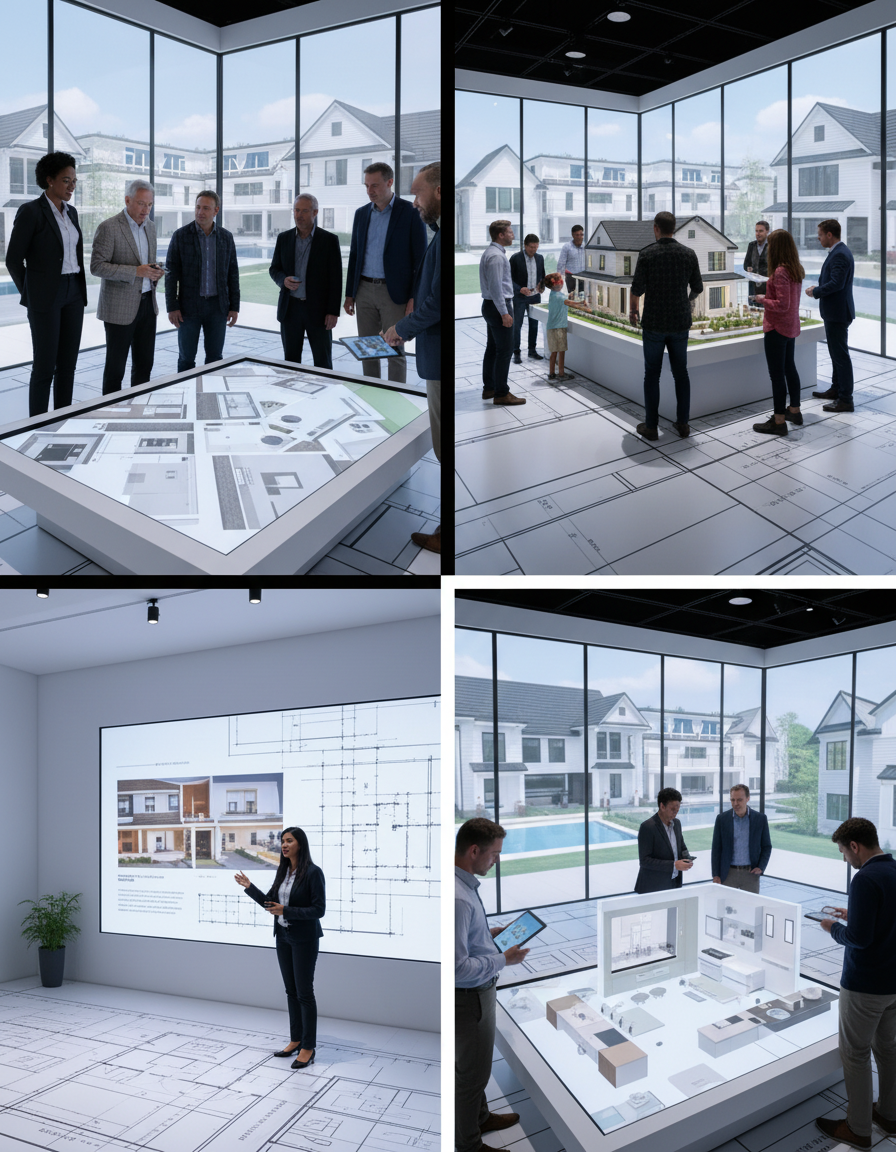
Early immersive visualization brings problems to the surface before they become problems. By allowing teams to walk through a project at full scale, design decisions are tested in real-world context long before construction begins.
Instead of asking clients to imagine a space, immersive walkthroughs let them experience it. Reactions become instinctive. Concerns surface naturally. Adjustments are made intentionally and efficiently while changes are still easy and affordable.
This proactive approach turns revisions from emergency fixes into strategic refinements.
Common Mistakes That Immersive Walkthroughs Reveal Early
Many design issues repeat across projects. Hallways that feel too narrow, workspaces that lack flow, sightlines that don’t support how a space is actually used. Storage areas that are underestimated. Entry points that don’t create the right first impression.
Immersive walkthroughs expose these issues instantly. Teams can pause, discuss, and adjust in real time. Every correction made at this stage saves time, money, and frustration later.
Better Decisions Lead to Fewer Change Orders
Change orders are one of the biggest budget threats in construction. They rarely result from poor intent—only from incomplete understanding. When a design has been fully experienced and validated, change orders drop dramatically.
Clients sign off with confidence. Designers finalize plans knowing their intent has been clearly communicated. Builders proceed with fewer surprises. The result is a smoother build process and a budget that stays intact.
Reducing Stress Through Clarity and Alignment
Uncertainty is the root of stress in construction. Immersive visualization replaces uncertainty with clarity. Everyone involved sees the same thing, understands the same space, and works toward the same outcome.
This shared understanding reduces conflict, speeds up decisions, and creates a more collaborative environment. Projects move forward with confidence instead of caution.
Planning That Protects Your Investment
Construction is a major investment, and protecting that investment starts before permits are pulled. Immersive visualization allows teams to validate decisions, eliminate unnecessary revisions, and move forward with a clear, confident plan.
At The BluView, the goal isn’t just to visualize a project—it’s to safeguard it. By identifying issues early and aligning expectations before construction begins, immersive experiences help clients avoid the hidden costs that derail projects.
When you can experience a space before it’s built, revisions become rare, budgets stay controlled, and construction becomes what it should be: predictable, efficient, and successful.